
Why Everything Feels Like a Status Symbol Right Now
Status has not disappeared. It has simply moved.
A recent report from Highsnobiety offers a clear articulation of where it has moved to. What was once concentrated in fashion has expanded across categories, with groceries, wellness, hospitality, and everyday consumption now functioning as signals of cultural knowledge and social positioning. Their central idea is straightforward: everything has become a surface for signaling.
For the better part of the last decade, fashion operated as the most legible expression of taste. It allowed people to communicate references, subcultural alignment, and intent in a way that was immediate and widely understood. What the report identifies is that this clarity has broken apart. Status no longer lives in one place. It is distributed across how people live, not just how they dress.
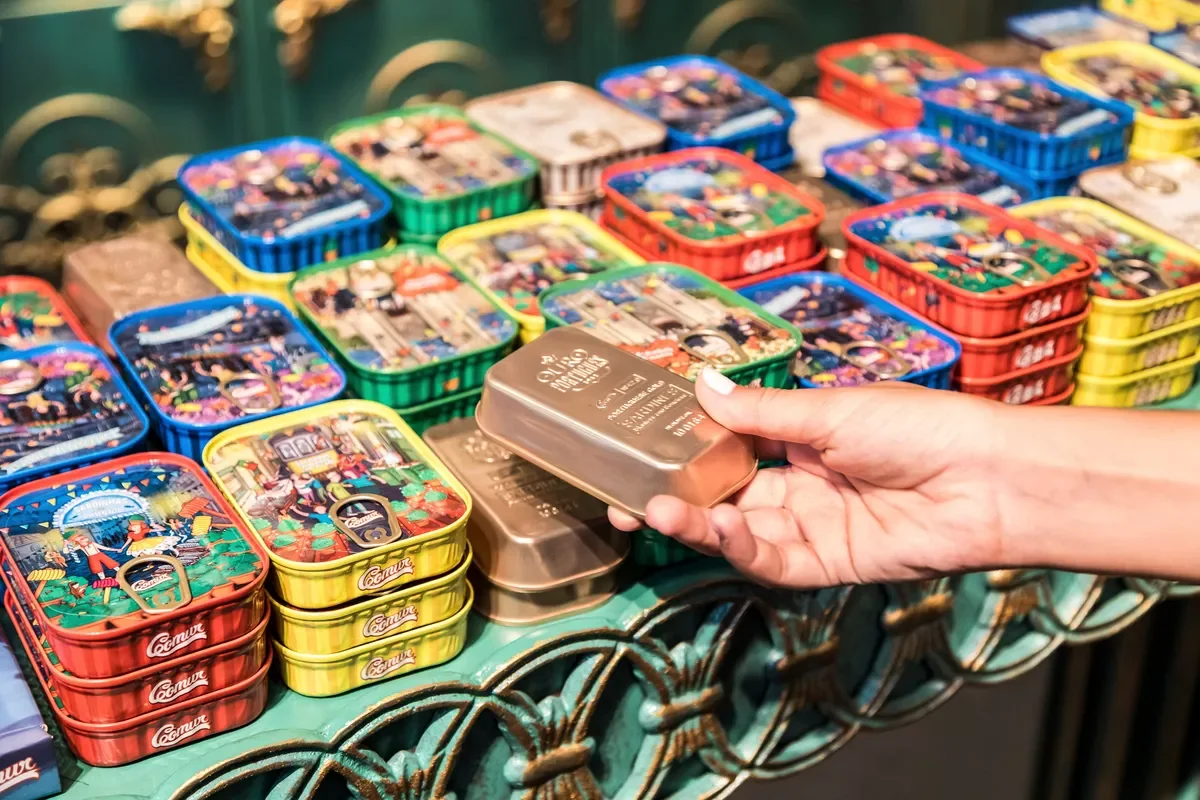
Colorful tins in niche grocery stores represent a new signal of status
That shift is easy to recognize in practice. What sits on a kitchen counter or inside a fridge is no longer neutral. A bottle of olive oil, a prebiotic soda, or a tin of fish can carry meaning in the same way a sneaker or jacket once did, provided it signals familiarity with the right cultural codes. These objects circulate through the same feeds, the same group chats, and the same environments where taste is continuously assessed, flattening categories into a single surface where everything competes for relevance at once.
The more interesting question is what this expansion of signals actually represents. It would be easy to interpret it as a broadening of cultural participation, as though status has become more accessible simply because it appears in more places. In practice, what has expanded is not access so much as frequency. Everyday goods allow people to signal more often, with smaller, repeatable decisions that accumulate over time, creating a constant performance of taste that did not exist when signaling was tied to larger, less frequent purchases.
That distinction matters because different categories produce different kinds of signals. Fashion, even in its most commercialized form, has historically allowed for interpretation. The meaning of a garment is not fixed at the point of purchase; it can be styled, altered, layered, and reframed. Entire subcultures have been built on the ability to take limited resources and produce something distinct through ingenuity, with the signal emerging not only from the object itself but from what is done with it.
Many of the signals emerging in what the report describes as fast moving cultural goods operate differently. The product tends to carry a more fixed meaning, closely tied to where it is purchased, how it is recognized, and who is able to access it in the first place. Participation becomes less about reinterpretation and more about selection, producing signals that are efficient but narrower in range.
The language of taste, in this context, begins to overlap with the realities of proximity. To know the right products, to encounter them in the right spaces, and to understand their significance requires alignment with specific environments, whether geographic, social, or economic. Cultural knowledge is not simply learned; it is absorbed through access. What appears to be a more accessible form of signaling, particularly in lower-cost categories, often obscures the fact that the underlying systems remain unevenly distributed.
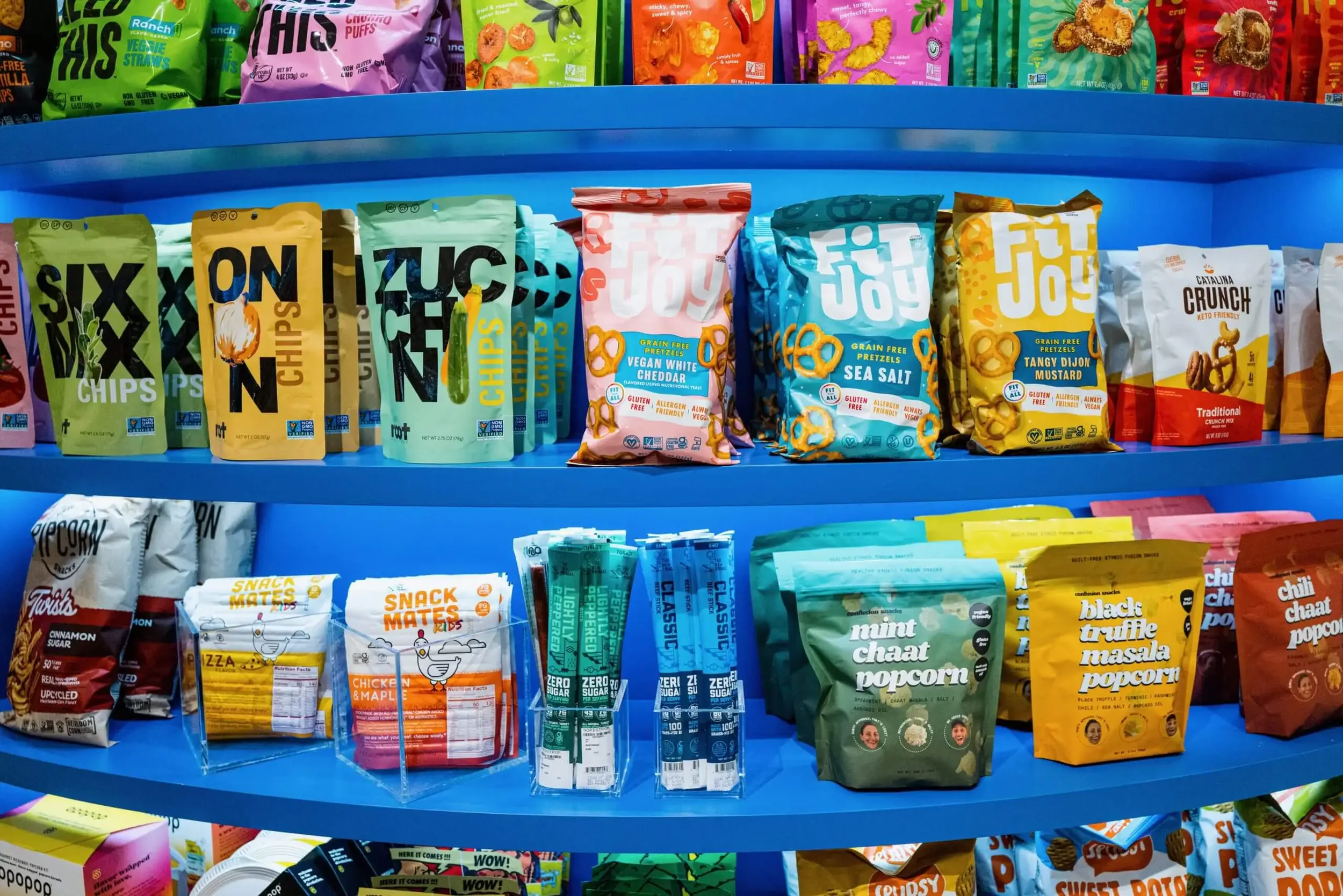
None of this diminishes the significance of the shift itself. Consumers have developed a sharper sensitivity to detail across categories that were once overlooked, with packaging, narrative, and context now carrying weight in places where function alone once sufficed. A grocery item can behave like a cultural object, moving through cycles of attention, saturation, and replacement in ways that more closely resemble fashion than traditional consumer goods.
For brands, the implication is less about entering new categories and more about understanding how meaning is constructed across them. The most relevant products are not those that simply look correct within their own space, but those that can hold their own within a broader cultural conversation, drawing from multiple domains without appearing derivative or forced. Cultural fluency, in this sense, is less about knowing a category than it is about understanding how culture itself moves.
This is where many brands will misread the moment. The immediate response is often to increase output, producing more collaborations, more drops, and more visually optimized products designed to travel across feeds. That instinct is understandable, but it treats signaling as the objective rather than the baseline. When everything can signal, signaling alone no longer differentiates.
The more durable opportunity lies in building products that can carry meaning across contexts, that feel as natural on a dinner table as they do on a social feed, and that people return to rather than cycle through. This requires designing for participation as much as recognition, giving consumers the ability to engage with a product beyond the moment of purchase. It also requires restraint, with credibility emerging not from ubiquity but from selective presence in environments where cultural meaning is formed and exchanged.
Underlying all of this is a shift in how culture itself is approached. Culture is not something brands can attach themselves to through proximity alone. It is something that shapes the conditions under which products are created, positioned, and experienced. The brands that resonate will be those that allow culture to inform their decisions at the beginning of the process, rather than applying it at the end.
The report makes a compelling case that everything now signals. What follows will depend on which brands understand the limits of that condition and build accordingly.