
The Most Undervalued Asset in Brand Strategy
For more than a decade, brand growth strategy revolved around platforms. The promise was scale, precision, and measurable performance. Media buying became increasingly sophisticated. Attribution models improved. Digital was framed as the inevitable center of gravity for acquisition.
Retail, by comparison, was often treated as infrastructure. Necessary, capital intensive, operational. Stores were distribution endpoints rather than strategic engines.
That framing now looks incomplete.
Customer acquisition costs fluctuate unpredictably. Platform algorithms shift. Privacy restrictions dilute targeting precision. Entire growth models can be disrupted by changes outside a brand’s control. What once felt like mastery increasingly resembles exposure. Many brands are discovering that the attention they depend on is not owned, but rented.
The most undervalued asset in brand strategy is physical space that a brand truly controls.
Within a store, a brand determines what is encountered first, what is touched, what is tried on, and what is photographed. It controls lighting, pacing, sound, service tone, material choices, and spatial hierarchy. The environment is authored, not mediated by an auction or feed. That level of control has implications that extend far beyond transactions.
When retail is evaluated strictly as distribution, it is measured by sales per square foot and short-term efficiency. When retail is understood as owned media, the calculus changes. A store can reinforce narrative, drive loyalty enrollment, generate high-value content, increase retention, and compound lifetime value. It produces impressions, data, and belief simultaneously, with monetization built into the experience.
Consider the brands approaching expansion with discipline rather than volume. SKIMS has built physical environments that mirror the clarity of its digital presence, reinforcing equity before a purchase occurs. Alo Yoga integrates programming into its retail footprint, creating repeat visitation and community engagement that extend beyond product replenishment. In both cases, the store functions as a controlled platform that deepens familiarity while strengthening first-party data.
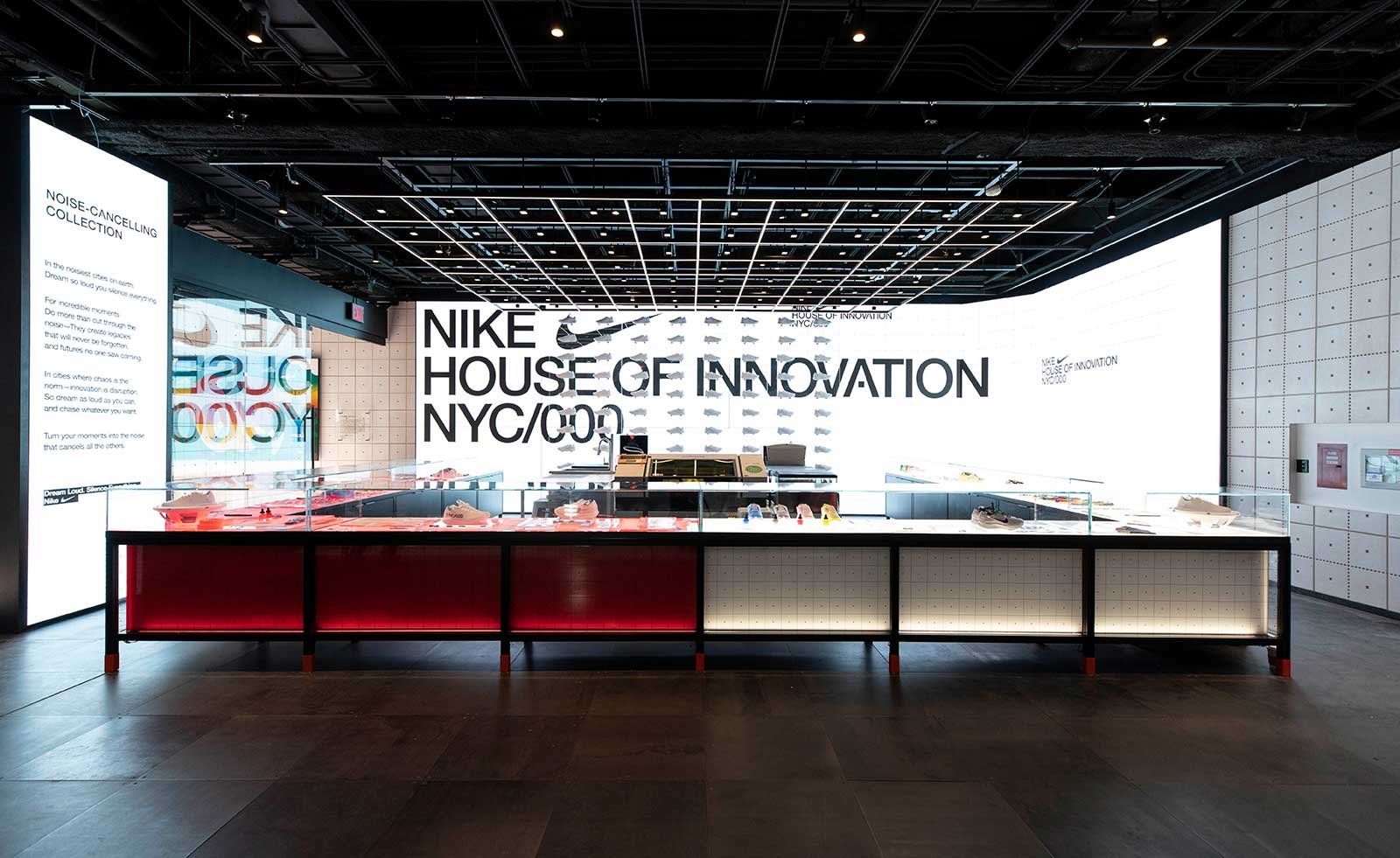
Nike has long operated with ecosystem logic, integrating membership, app engagement, and physical retail into a reinforcing system. Physical presence fuels digital interaction, which in turn drives traffic back to physical space. Acquisition is diversified across geography and community rather than concentrated in a single performance channel. The store is not separate from the media plan; it is part of it.
The hesitation many organizations feel toward this perspective is rooted in measurement habit. Sales per square foot is simple and comparable, but it does not capture strategic impact. A flagship that increases loyalty enrollment, strengthens CRM performance, and generates cultural relevance may deliver greater long-term value than a location that marginally outperforms on short-term transactional metrics.
Physical environments also shape perception in ways digital rarely replicates. Immersion builds memory. Service creates emotional imprint. Materiality signals permanence. When consumers spend time inside a brand’s world rather than scrolling past it, the relationship shifts from exposure to experience. That shift is difficult to quantify in a dashboard, but it is visible in pricing power, retention, and advocacy.
Luxury brands have long understood this dynamic. Hospitality extensions, architectural flagships, and controlled environments are not indulgences; they are strategic instruments. Time spent inside a brand compounds narrative equity. Space reinforces worldview.
For digitally native brands in particular, physical retail communicates durability. It signals investment, confidence, and long-term intent. In a market recalibrating around margin discipline and reduced reliance on constant discounting, that signaling matters. A thoughtfully designed physical experience supports pricing integrity. A generic one erodes it.
The operators gaining advantage are not expanding indiscriminately. They are opening fewer stores with greater strategic clarity. Flagships act as brand theaters. Pop-ups function as narrative experiments. Real estate decisions are evaluated alongside media planning, assessed for cultural proximity and ecosystem contribution as much as for foot traffic.
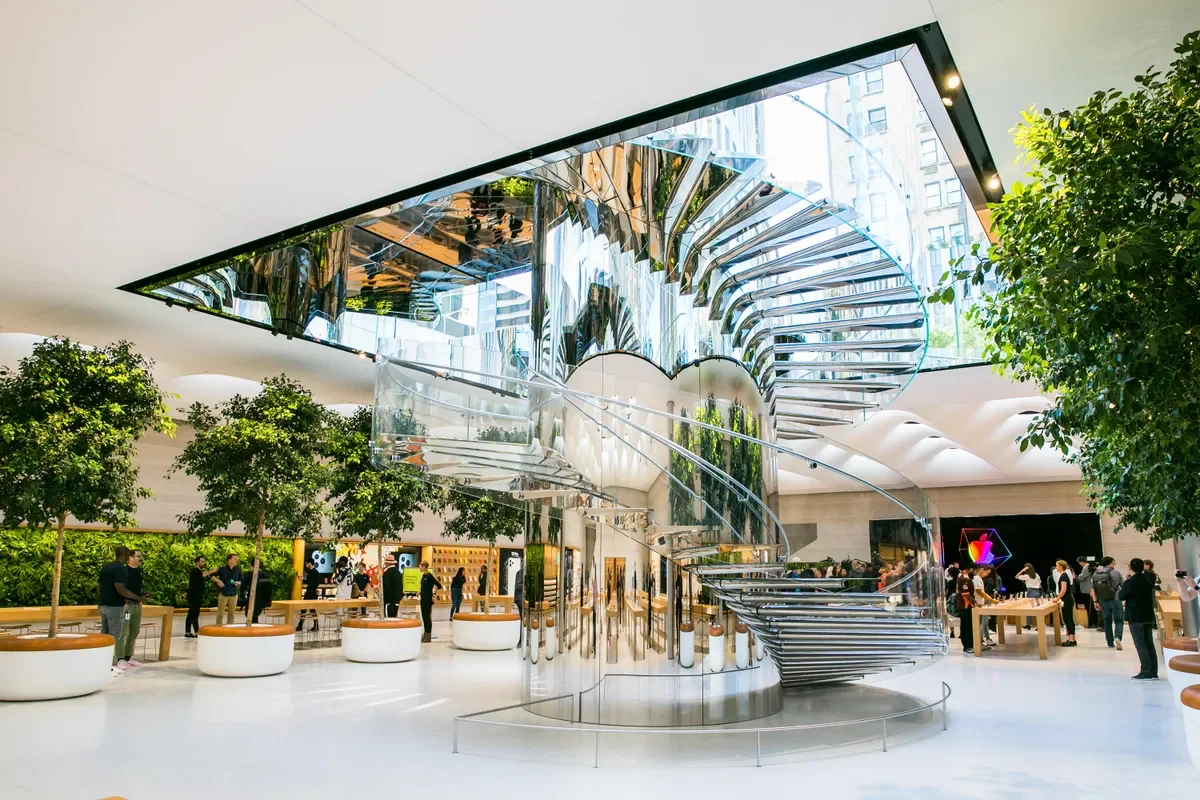
As attention fragments and trust in purely digital environments fluctuates, the value of space a brand fully controls becomes more pronounced. Physical retail offers something increasingly rare: owned attention with embedded revenue and integrated data capture. It reduces dependency on external systems while reinforcing narrative coherence.
The future of brand building is not digital-first or store-first. It is ecosystem-first. Stores, apps, content, community, and CRM operate as interconnected nodes within a deliberate system. In that system, physical space is not an operational cost to be minimized. It is a strategic asset to be designed intentionally.
In a marketplace where attention can be throttled by algorithmic change, square footage that a brand truly controls may be the most undervalued asset on its balance sheet.